
Cosmetic Dentistry for Worn Teeth That Lasts

Worn teeth can make a healthy person look older, tired, or hesitant to smile. They can also make everyday things - enjoying a meal, speaking clearly, or sipping something cold - less comfortable than they should be. Cosmetic dentistry for worn teeth is not simply about making teeth look whiter or more even. Done properly, it can rebuild the shape, strength, and balance of your smile while helping protect the teeth you still have.
If you have noticed shorter teeth, rough edges, chips, flattening, or a smile that no longer looks like you, there may be a solution that fits your goals, timeline, and budget. The right treatment begins with understanding why your teeth wore down in the first place.
Why Do Teeth Wear Down?
Tooth wear is common, but it is never one-size-fits-all. Some people grind or clench their teeth while sleeping. Others have an uneven bite that puts too much pressure on a few teeth. Acid reflux, frequent acidic drinks, aging restorations, and past damage can also gradually change the length and appearance of teeth.
Over time, enamel can become thin, edges can chip, and the teeth may appear darker because more of the inner tooth structure shows through. In more advanced cases, the bite can collapse slightly, making the lower face look shorter and putting extra strain on the jaw.
Cosmetic treatment should not cover up a problem without addressing its cause. If grinding, bite imbalance, or acid exposure continues unchecked, even beautiful new restorations can chip or wear prematurely. A thoughtful smile restoration plan looks at the whole picture first.
Signs Your Worn Teeth May Need Attention
You do not need to wait for severe pain to seek an evaluation. Many patients first notice that their front teeth look shorter in photos or that their smile has lost its natural shape. Others deal with sensitivity, frequent small chips, jaw tightness in the morning, or fillings and crowns that keep breaking.
Changes in how your teeth meet can matter, too. If chewing feels awkward, your teeth no longer touch evenly, or you avoid certain foods, your bite may need more than a cosmetic touch-up.
Cosmetic Dentistry for Worn Teeth: Your Treatment Options
The best solution depends on how much tooth structure remains, which teeth are affected, the condition of your gums, and whether your bite is stable. At Chosen Implant Studio, the goal is to create a smile that looks natural and feels dependable, not a result that looks overly uniform or works only for photographs.
Dental Bonding for Small Chips and Edge Wear
Dental bonding uses tooth-colored composite material to rebuild small areas of lost enamel. It can be an appealing option when wear is limited to a few edges or minor chips. Bonding is conservative because it often requires little to no removal of natural tooth structure.
It is also typically a more budget-friendly starting point. The trade-off is that composite is not as stain-resistant or as durable as porcelain. Patients who clench heavily, bite pens, or regularly eat hard foods may need touch-ups over time.
Veneers for a Refined, Balanced Smile
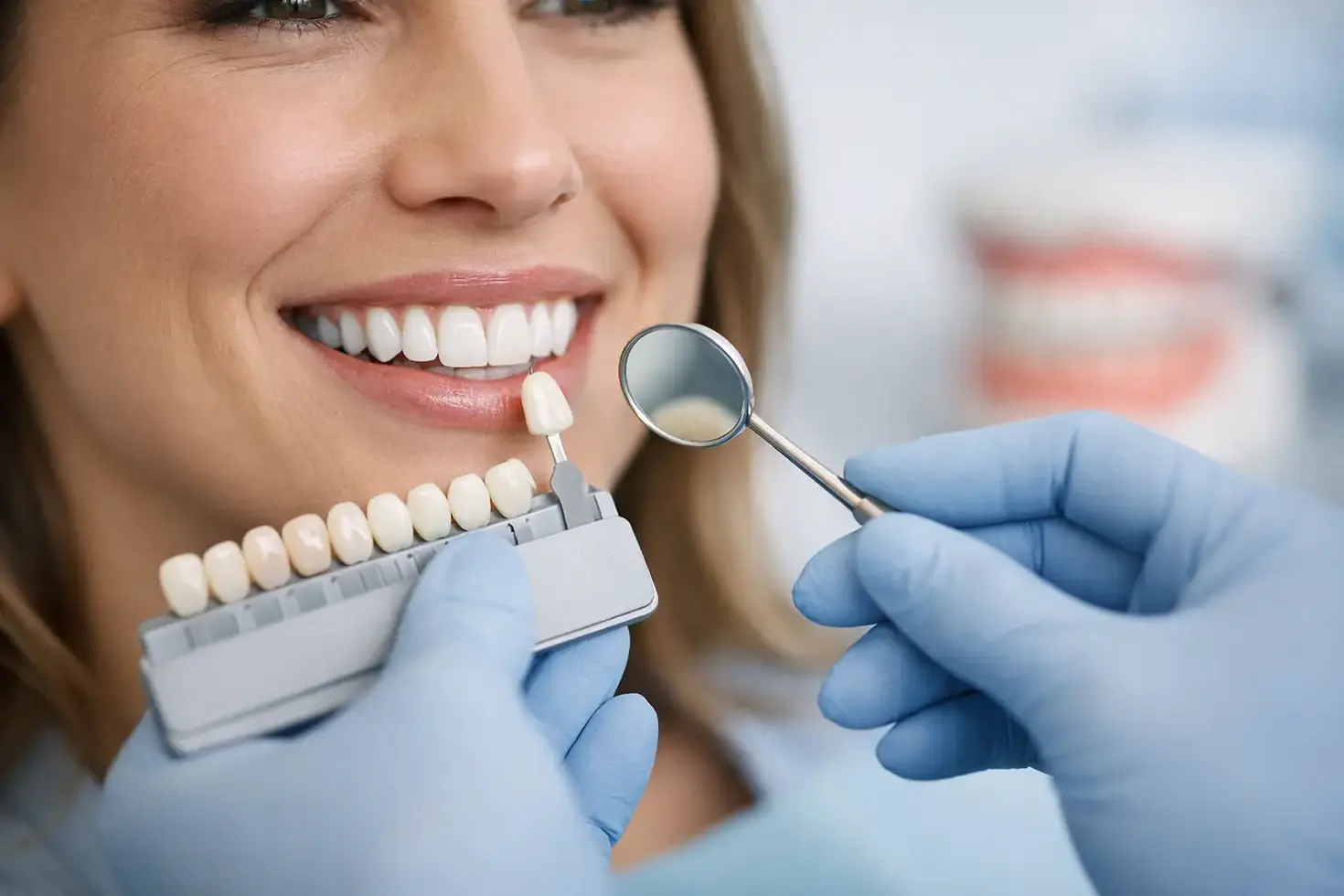
Porcelain veneers are thin custom shells placed over the front surface of teeth. They can improve the appearance of worn, uneven, discolored, or chipped front teeth while restoring more flattering proportions to the smile.
Veneers are often a strong choice when the front teeth have moderate wear but remain structurally healthy. They are designed around your facial features, smile line, and natural tooth color so the result feels like an elevated version of your own smile. Because veneers are a cosmetic restoration, they are not automatically right for every worn tooth. A weak tooth, deep crack, or major loss of structure may need a crown instead.
Crowns for Teeth That Need More Protection
A dental crown covers the entire visible portion of a tooth. It may be recommended when wear is extensive, a tooth has large old fillings, or there is a higher risk of cracking. Modern porcelain crowns can be shaped and shaded to blend beautifully with nearby teeth while providing meaningful strength.
Crowns require more preparation than bonding or veneers, which is why they should be chosen with care. But for the right tooth, a crown can be the safer long-term choice. The priority is not using the same treatment everywhere. It is giving each tooth the level of protection it actually needs.
Full-Mouth Rehabilitation When Wear Is Advanced
When many teeth are severely worn, treatment may involve rebuilding the bite across multiple teeth. This is sometimes called full-mouth rehabilitation or full-mouth reconstruction. It can combine crowns, veneers, bonding, and treatment for missing teeth to restore proper height, chewing function, and smile aesthetics.
This approach takes more planning, but it can be life-changing for patients who have spent years hiding their teeth or struggling to eat comfortably. A detailed evaluation helps determine the ideal bite position before final restorations are made. In some cases, temporary restorations are used first so you can test the new bite and appearance before moving forward with the final smile.
Implants When Worn Teeth Cannot Be Saved
Not every worn or damaged tooth can be restored. If a tooth is fractured below the gumline, severely decayed, or too weak to support a crown, removing it and replacing it with a dental implant may be the most predictable option.
An implant replaces the tooth root and supports a custom crown designed to match your smile. For patients missing several teeth or facing widespread dental breakdown, implant-supported bridges or full-arch solutions can provide a stable, natural-looking alternative to removable dentures. Preserving healthy teeth is always valuable, but keeping a tooth that cannot function reliably can lead to more trouble later.
What a Smile Restoration Plan Should Include
A great cosmetic result is built on more than shade selection. Before treatment, your dentist should evaluate your gums, remaining enamel, cracks, old restorations, jaw comfort, and how your teeth come together. Digital imaging, photographs, and bite records can make the planning process more precise.
You should also be able to discuss what matters most to you. Maybe you want a brighter smile for client meetings. Maybe you are tired of feeling self-conscious in family photos. Or maybe your biggest concern is finally eating without worrying that another tooth will crack. Those priorities affect the treatment plan.
A clear plan should explain which teeth can be preserved, which treatment choices are optional, how long the process may take, and what ongoing care will protect your investment. If finances are a concern, ask about phased treatment and monthly financing options. Premium dentistry should come with straightforward guidance, not pressure or confusion.
How to Protect Your New Smile
Restoring worn teeth is a major step forward. Keeping that result strong requires a few smart habits. If you grind or clench, a custom night guard may be recommended to protect veneers, crowns, bonding, and natural teeth. Regular cleanings and exams help catch small issues before they become larger repairs.
Be mindful of habits that put excess pressure on restorations, including chewing ice, opening packages with your teeth, or biting hard objects. If acid reflux or frequent heartburn has contributed to enamel erosion, addressing that with your medical provider can protect both your oral health and your new dental work.
With quality materials, careful planning, and consistent maintenance, cosmetic restorations can provide years of confident smiles and comfortable function. There is no single lifespan that applies to every restoration because bite forces, habits, oral hygiene, and the type of treatment all play a role.
A Smile That Looks Like You, Only Stronger
You do not have to accept worn teeth as an inevitable part of getting older. Whether you need subtle bonding, a few natural-looking veneers, protective crowns, or a more complete restoration, the first step is a judgment-free conversation about what is possible.
A free consultation can give you clarity on the condition of your teeth, the options that make sense, and a plan designed around your life. The right restoration is not about chasing a perfect smile. It is about feeling comfortable showing the one that is yours.


Comments