
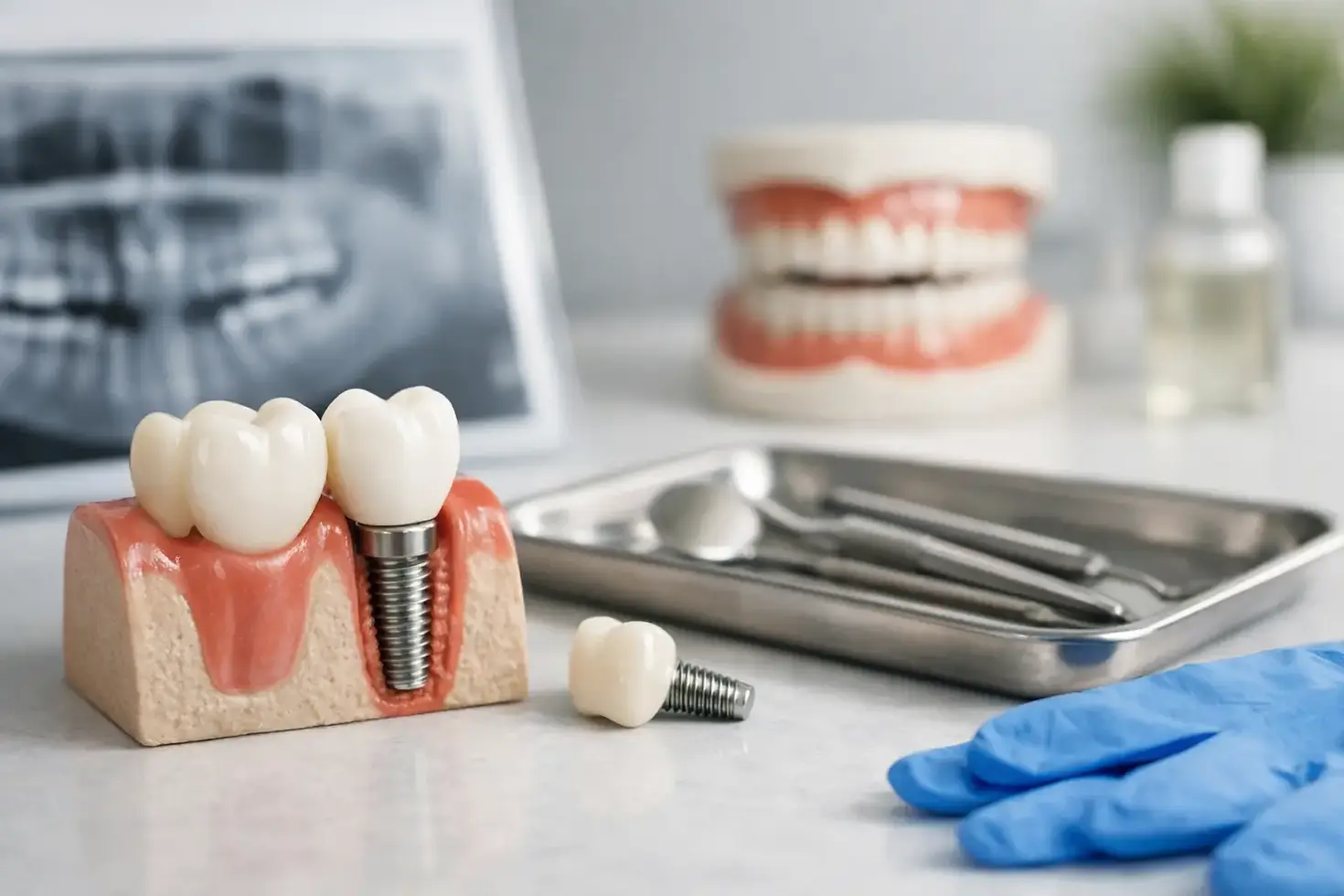
How to Prepare for Dental Implants

If you’ve been putting off treatment because you’re unsure what comes first, you’re not alone. Many patients want to know how to prepare for dental implants before they commit, especially if they’re balancing work, budget, appearance concerns, and a little anxiety about the process. The good news is that preparation is usually simpler than people expect, and the right plan can make the entire experience feel far more manageable.
Dental implants are not just about replacing a missing tooth. They’re about getting back to eating comfortably, speaking clearly, and smiling without thinking twice. Preparation matters because it helps your treatment go more smoothly, reduces surprises, and gives you more confidence from day one.
How to Prepare for Dental Implants Before Your Consultation
The first step is not guessing whether you qualify. It’s getting a proper evaluation. A strong implant consultation should look at your teeth, gums, jawbone, bite, medical history, and cosmetic goals, not just the empty space where a tooth is missing.
Before your appointment, gather the details that can affect treatment. That includes your medical conditions, current medications, past dental work, and whether you’ve had gum disease, extractions, or dentures. If you’ve been told you have bone loss, bring that up early. It does not always mean you can’t get implants. It may simply mean your provider needs to discuss options like bone grafting or a staged approach.
It also helps to think about what you want your result to do for you. Some patients care most about function. Others want a natural-looking smile that feels like their own teeth again. Most want both. Being clear about your priorities helps your doctor build a treatment plan that fits your life, not just your X-rays.
Get Honest About Your Health Habits
One of the most important parts of preparing for implants happens outside the dental office. Your body needs to heal well after placement, and healing is influenced by everyday habits.
If you smoke or vape, this is the time to have a frank conversation about it. Nicotine can reduce blood flow and increase the risk of implant complications. That does not automatically rule you out, but it can affect timing, healing, and long-term success. The same goes for uncontrolled diabetes, active gum disease, or teeth grinding. None of these issues should make you panic. They simply need to be managed the right way.
Good home care also matters before treatment starts. If your gums are inflamed or plaque buildup is heavy, your dentist may recommend a cleaning or periodontal treatment first. That’s not a delay for the sake of delay. It’s part of building a healthy foundation.
Understand the Steps So Nothing Feels Like a Surprise
A lot of implant anxiety comes from not knowing what the timeline looks like. Once patients understand the sequence, the process usually feels much more doable.
In some cases, a dental implant can be placed soon after an extraction. In others, healing time is needed first. Some patients need a bone graft before implant placement, while others already have enough healthy bone support. If you’re replacing all or most of your teeth, the treatment plan may look different than it would for one missing tooth.
This is where expectations matter. Dental implants are a long-term solution, but they are not always a one-visit fix. Depending on your case, your treatment may happen in phases. That’s normal. Taking the right steps at the right time is part of getting a result that looks great and lasts.
Plan Your Schedule Like You Would for Any Important Procedure
If you’re figuring out how to prepare for dental implants, don’t overlook your calendar. Even straightforward treatment is easier when you’re not rushing back to a packed meeting schedule or trying to host a family event the same night.
Ask your provider what to expect after your specific procedure. Some patients return to normal routines quickly, while others want a day or two of lighter activity. If sedation is part of your visit, you’ll need someone to drive you home and stay flexible with the rest of your day.
It’s also smart to plan around meals and social commitments for the first few days. You may want softer foods, less talking, and more rest than usual. A little planning upfront can make recovery feel much easier.
Prepare Your Home for a Smoother Recovery
Recovery prep does not have to be complicated, but it should be intentional. Before your appointment, stock your kitchen with foods that are easy to eat, such as yogurt, eggs, smoothies, soup, mashed vegetables, oatmeal, and soft pasta. Skip anything crunchy, spicy, or hard to chew unless your dentist tells you otherwise.
Have your prescribed or recommended medications ready before the procedure, not after. If your care team suggests ice packs, gauze, or a specific mouth rinse, get those in advance too. The goal is simple: when you get home, you should be able to rest instead of running errands.
Create a calm setup for the first evening. That might mean an extra pillow to keep your head elevated, water by the bed, and a quiet plan for the rest of the day. Small things make a big difference when you’re healing.
Talk Openly About Cost Before Treatment Starts
For many patients, the biggest obstacle is not pain. It’s uncertainty about price. If that sounds familiar, bring it up early. You deserve clear answers.
The cost of implants depends on your needs. A single implant is different from full-mouth restoration. Bone grafting, extractions, sedation, and the final restoration can all affect the total investment. That’s why a real consultation matters. It gives you a treatment plan based on your mouth, not a generic number pulled from the internet.
This is also the right time to ask about financing and payment options. Premium care should still feel attainable. When cost is explained clearly and monthly options are on the table, the decision often feels much less overwhelming. At Chosen Implant Studio, that kind of transparency is a big part of helping patients move forward with confidence.
Ask the Questions That Actually Matter
You do not need to know the clinical terminology to have a productive conversation. You just need the right questions.
Ask whether you’re a candidate right now or whether preparatory treatment is needed first. Ask how long the full process may take, what healing will feel like, and what type of final result you can expect. If appearance matters to you, say so. Implant treatment should not only restore function. It should look natural in your smile.
You can also ask about the experience of the team performing your treatment. That’s not being difficult. It’s being informed. When you’re making a long-term investment in your health and confidence, credentials, outcomes, and planning matter.
Don’t Ignore the Emotional Side of the Process
A lot of people seeking implants have been living with missing teeth, loose dentures, or a smile they try to hide for years. That emotional weight is real. It can show up as embarrassment, hesitation, or fear of being judged.
Preparation means acknowledging that too. You’re not being vain for wanting to look better. You’re not overreacting because chewing has become frustrating or because photos make you uncomfortable. Those are valid reasons to want a permanent solution.
The right dental team should make the process feel judgment-free and clear. You should never feel pressured, talked down to, or left in the dark. Confidence starts before the implant is ever placed. It starts when you feel understood.
The Best Way to Prepare for Dental Implants Is to Start
There’s a difference between being careful and being stuck. Research helps, but eventually you need a personalized answer. The best preparation is not trying to solve everything alone. It’s scheduling a consultation, getting a real assessment, and building a plan that fits your health, your goals, and your budget.
Some patients are ready for implants sooner than they think. Others need a few steps first. Either way, clarity changes everything. Once you know where you stand, the process feels less intimidating and a lot more possible.
A stronger smile rarely starts with perfect timing. It starts with one informed decision and a team that knows how to guide you the rest of the way.




Comments